Restore Worn Surfaces to Functional Condition
Epoxy Application & Concrete Resurfacing in Phoenix for floors showing cracking, spalling, or surface failure
Rock Solid Concrete AZ completes epoxy application and concrete resurfacing work for property owners across Phoenix dealing with garage floors that have lost their finish, warehouse slabs showing wear from traffic, or outdoor surfaces that have begun to degrade under consistent exposure. You call when the concrete is still structurally sound but the surface layer has failed, when appearance matters for resale or tenant presentation, or when you need a protective coating that can handle ongoing use without constant maintenance.
Resurfacing involves removing any loose or damaged material from the existing slab, cleaning the surface to remove oils and contaminants, and then applying either a cement-based overlay or an epoxy coating system depending on the condition of the substrate and how the space is used. Epoxy bonds directly to properly prepared concrete and creates a chemical-resistant, impact-tolerant surface that holds up in high-traffic areas. In Phoenix, where summer heat can cause surface expansion and UV exposure degrades unprotected finishes, resurfacing extends the functional life of concrete without requiring full replacement.
If your concrete surface is showing wear but the underlying slab remains intact, reach out to discuss whether resurfacing or epoxy is the right approach for your situation.
How the Surface Is Prepared and Sealed
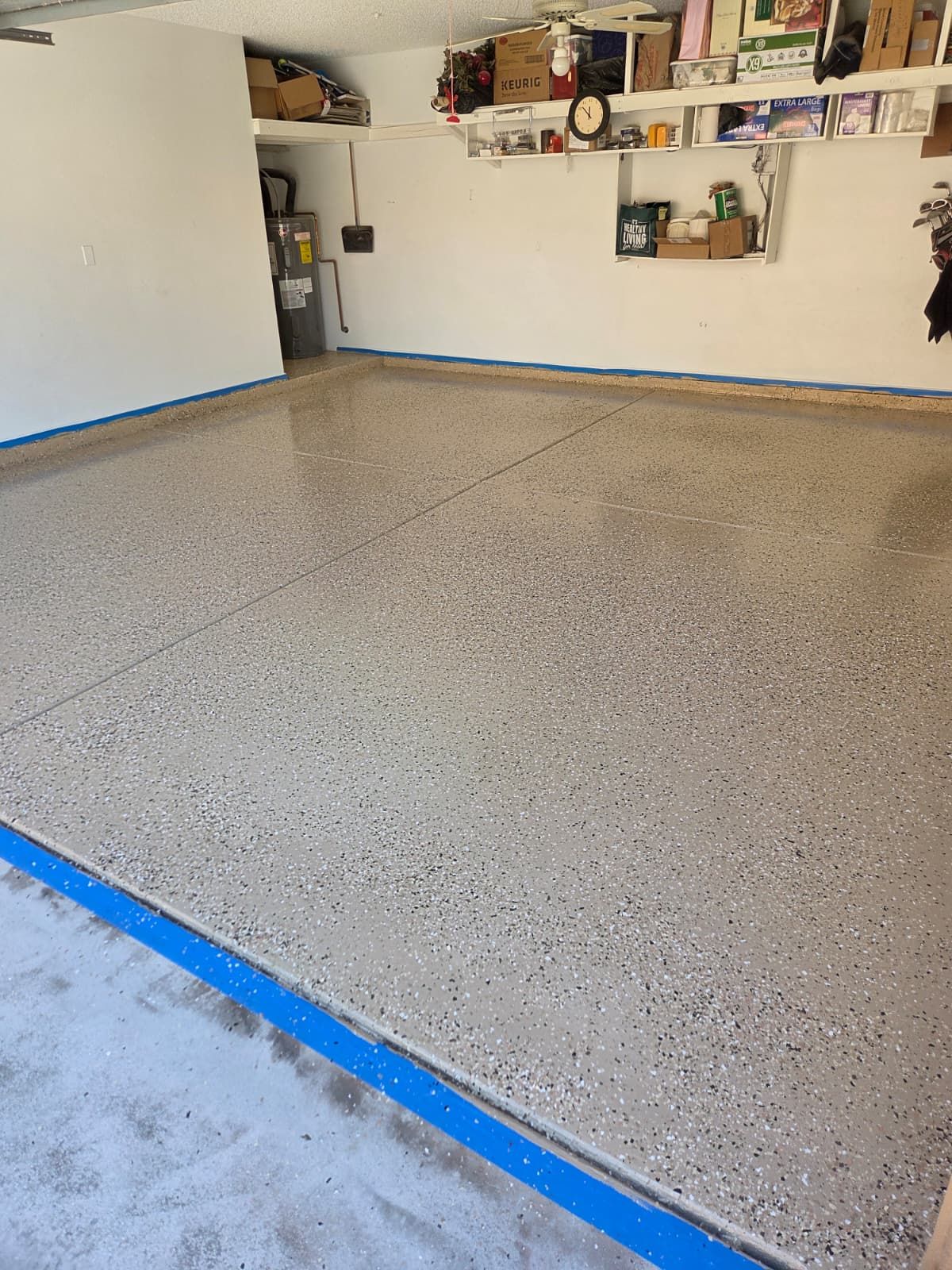
Your project begins with surface profiling, which typically involves mechanical grinding or shot blasting to open the pores of the concrete and remove any existing sealers, coatings, or surface laitance that would prevent adhesion. This step determines how well the overlay or epoxy will bond and how long the finish will last under regular use.
Once the resurfacing material or epoxy is applied and cured, you will notice a uniform finish with no visible cracks, a smooth or textured surface depending on what was specified, and a floor that resists staining from oils, chemicals, or water. No Limits Concrete And Construction, LLC matches the system to the environment, selecting UV-stable products for outdoor applications and slip-resistant textures for spaces where moisture is present.
Cure times vary based on temperature and product type, but most epoxy systems require at least 24 hours before light foot traffic and up to 72 hours before vehicles or heavy equipment can return to the surface. Resurfacing does not repair structural issues such as settlement, undermining, or deep spalling that extends into the rebar layer, and those conditions require different methods before any coating work begins.
What to Expect During and After Application
Most questions about resurfacing and epoxy come up during the planning stage, when you are deciding whether the existing slab can support a new finish or whether removal and replacement is the better long-term option.
What is the difference between epoxy and a cement-based overlay?
Epoxy is a resin system that bonds chemically to the concrete and provides a sealed, non-porous surface, while a cement overlay is a thin layer of modified concrete that can be stamped, stained, or textured and is better suited to outdoor applications where breathability matters.
How long does an epoxy floor last in a Phoenix garage?
With proper surface preparation and minimal exposure to constant moisture or abrasive drag, an epoxy coating typically lasts between five and ten years before it needs recoating, though high-traffic commercial floors may show wear sooner.
Why does the concrete need to be ground before epoxy is applied?
Grinding removes surface contaminants, opens the pores for mechanical bonding, and ensures the epoxy penetrates rather than sitting on top of a sealed or polished layer that would eventually delaminate.
When should resurfacing be avoided?
If the slab has active settling, wide control joint movement, or moisture intrusion from below, resurfacing will not solve the underlying issue and the new surface will crack or lift within months.
What happens if the epoxy is applied during high heat?
In Phoenix, installers schedule epoxy work during cooler parts of the day or season to control cure speed, since temperatures above 90 degrees can cause the material to set too quickly and trap air bubbles or prevent proper leveling.
No Limits Concrete And Construction, LLC evaluates the condition of your slab before recommending a system, and the assessment includes checking for moisture vapor transmission, existing coatings, and any movement that would compromise adhesion. If resurfacing makes sense for your timeline and budget, the work is scheduled to minimize disruption and allow for proper curing before the space returns to use.